Dentilink AI — Auto Zalo replies, no-show prediction, treatment plan suggestions · dentilink.cc
While the Node.js ecosystem is known for its flexibility and lack of strict coding standards, this book aims to provide developers with a clear structure to follow. Alex Kondov Key Focus Areas The book is structured into 6 chapters . It covers the following core pillars: Application Structure: Kondov argues that Node services should be organized around domain entities and components
: For REST APIs, consider using hypermedia to make the API discoverable. Co-location

comprehensive clinical tool
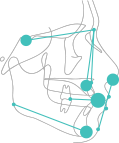
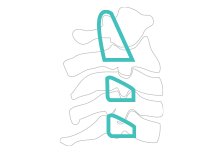
Leveraging Viceph's proprietary A.I model to detect landmarks automatically, simulate treatment results (VTO), superimpose profiles, and more...

end-to-end data encryption
The patient's medical record is securely encrypted to ensure no one, including Viceph, can access it

evidence-based tool
All features in Viceph are backed by scientific evidence

educational tool
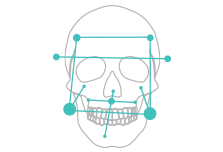
Learning cephalometric analysis is made easier with detailed explanations of landmarks, indicators, and analysis results
New product by MedbrainDentilink connects seamlessly with ViCeph — manage your clinic and run cephalometric analysis all within one ecosystem.
Patient Sync
Patients from Dentilink are automatically created and synced into ViCeph.
folder_sharedAuto Records
Full orthodontic records are created automatically when a new patient is registered.
event_availableSchedule from Dentilink
Imaging appointments are created in ViCeph directly from the Dentilink interface.
While the Node.js ecosystem is known for its flexibility and lack of strict coding standards, this book aims to provide developers with a clear structure to follow. Alex Kondov Key Focus Areas The book is structured into 6 chapters . It covers the following core pillars: Application Structure: Kondov argues that Node services should be organized around domain entities and components
: For REST APIs, consider using hypermedia to make the API discoverable. Co-location